.png)
Oral vs Injectable GLP-1: Which Is Right for You?
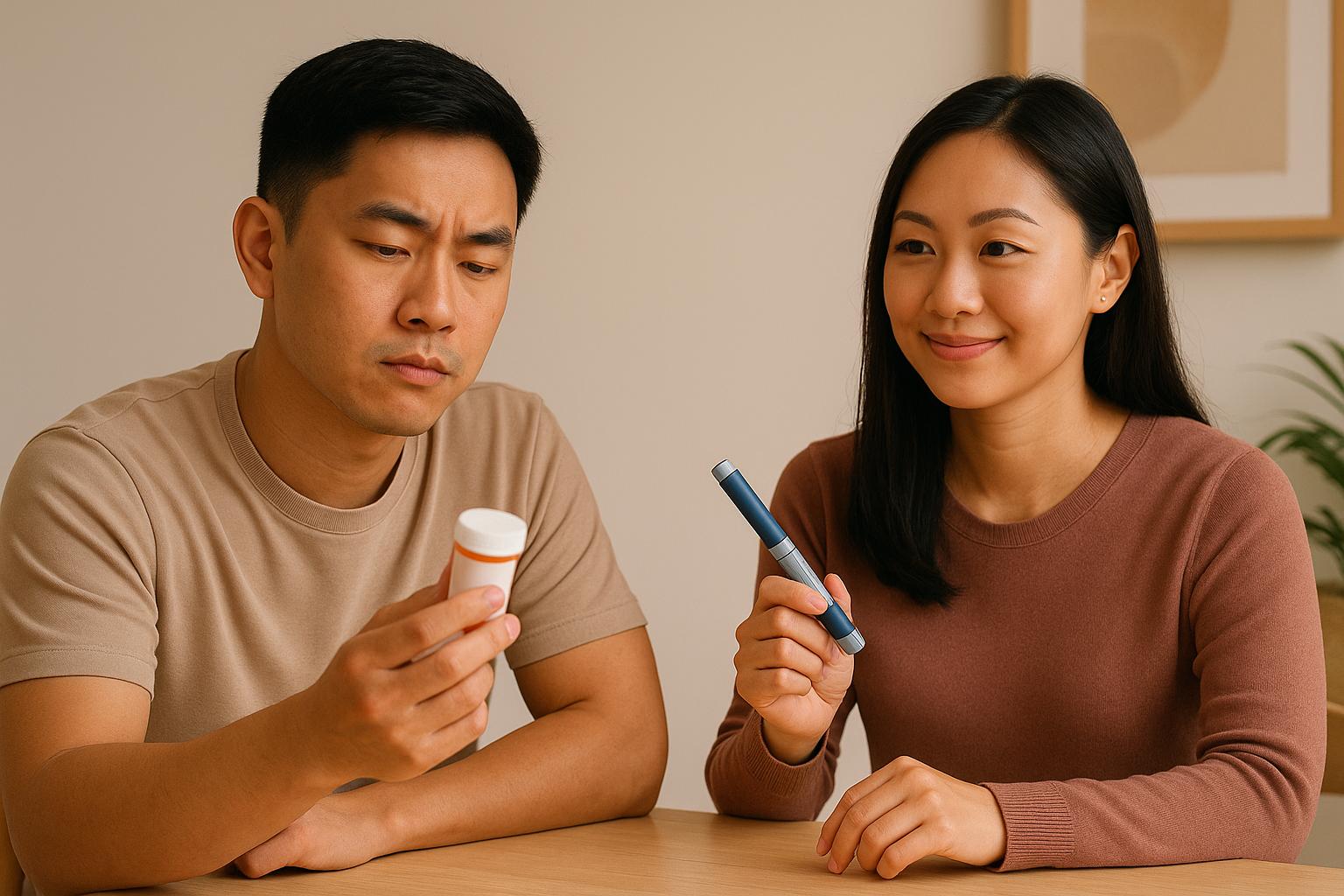
Choosing between oral and injectable GLP-1 medications depends on your lifestyle, goals, and preferences. Injectable options, like Wegovy and Mounjaro, are more effective for weight loss, offering 15–20% reductions in body weight through weekly doses. Oral alternatives, such as Rybelsus, are ideal for those who prefer to avoid injections and can maintain a strict daily routine, but they are generally less effective for weight loss. Both forms share similar side effects, including nausea and digestive issues, but injectables require fewer doses and provide more consistent results.
Quick Comparison
| Criteria | Oral GLP-1 (e.g., Rybelsus) | Injectable GLP-1 (e.g., Wegovy, Mounjaro) |
|---|---|---|
| Dosing | Daily, strict timing | Weekly, flexible timing |
| Effectiveness | Moderate weight loss | Higher weight loss (15–20% body weight) |
| Side Effects | Digestive issues, belching | Digestive issues, rare injection site reactions |
| Cost in Singapore | S$180–S$400/month | Starts at ~S$350/month |
| Ease of Use | No needles, routine required | Less frequent dosing |
Speak with a doctor to determine the best option based on your health needs and daily habits.
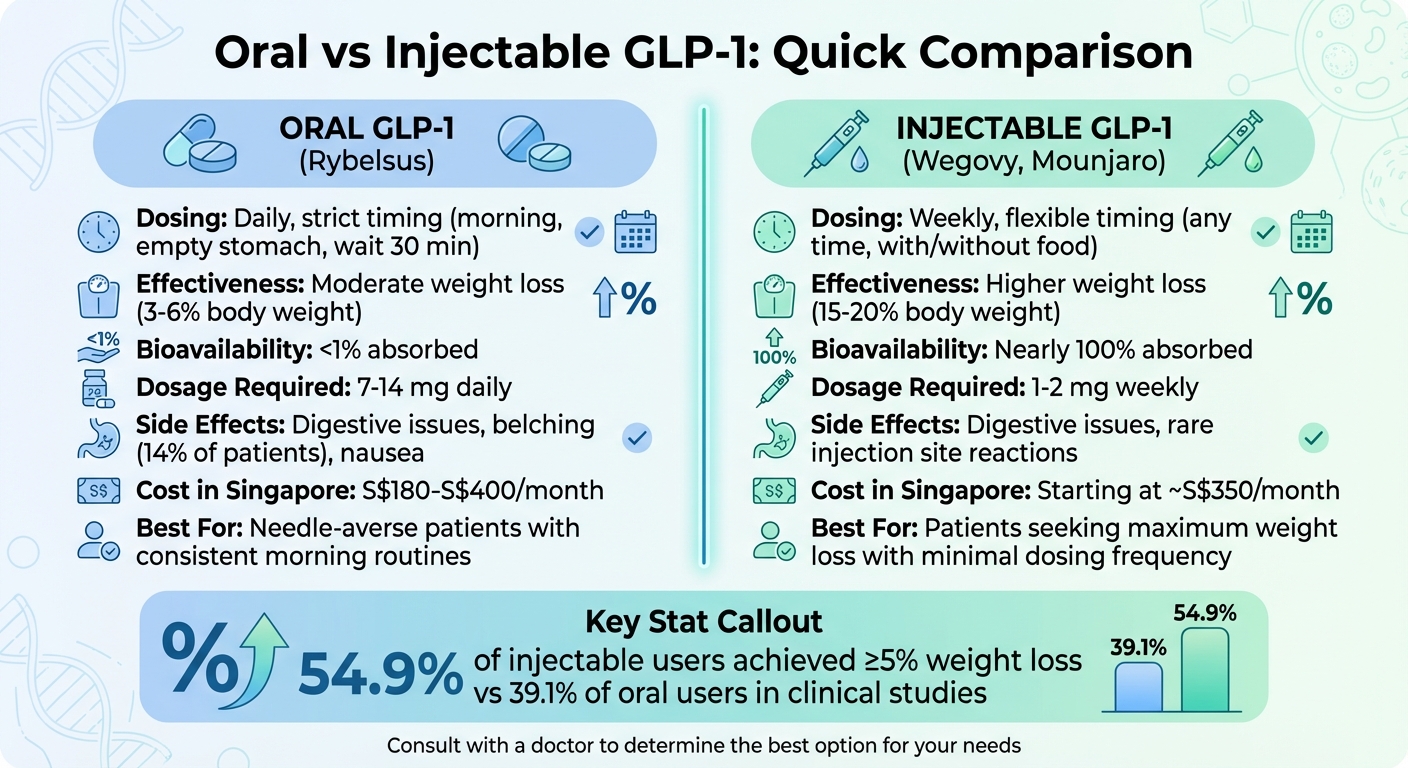
Oral vs Injectable GLP-1 Medications Comparison Chart
What to consider when choosing between a pill or shot for weight loss
How GLP-1 Medications Work
GLP-1 receptor agonists mimic the function of the natural GLP-1 hormone, which is released by your intestines after eating. However, unlike the natural hormone - which is quickly broken down by enzymes in your bloodstream - these synthetic versions are designed to resist degradation, allowing them to remain active for longer periods.
These medications operate through several mechanisms. They stimulate insulin release when blood sugar levels rise, reduce glucagon secretion, slow the emptying of the stomach to extend feelings of fullness, and act on the hypothalamus to help suppress appetite. For individuals with diabetes or obesity, the natural production of GLP-1 is often impaired, making these treatments particularly useful.
The way these medications are absorbed plays a key role in their effectiveness.
Oral GLP-1 Absorption
Oral semaglutide faces a tough challenge in the digestive system. Normally, stomach acid would break it down, but it is combined with an absorption enhancer called sodium N-(8-[2-hydroxybenzoyl]amino)caprylate (SNAC). This enhancer creates a more favourable local environment and helps the medication pass through the stomach lining. Despite this, less than 1% of the drug actually reaches the bloodstream. To compensate, much higher doses - ranging from 7 mg to 14 mg daily - are required to achieve effects similar to those of injectable versions.
Injectable GLP-1 Absorption
Injectable GLP-1 medications are delivered subcutaneously, meaning they are injected under the skin and directly enter the bloodstream. This method results in nearly 100% bioavailability, ensuring that almost the entire dose is absorbed by the body. Because of this efficiency, injectable semaglutide requires significantly lower doses - typically 1 mg to 2 mg per week. Additionally, this delivery method provides consistent and predictable blood levels, which contribute to stable and reliable therapeutic effects.
Oral vs Injectable GLP-1: Key Differences
Weight Loss Results
Research shows that injectable GLP-1 medications tend to deliver stronger results in terms of weight loss. For instance, a study involving 105 patients with type 2 diabetes found that those using injectable semaglutide lost a median of 4.02% of their body weight over 26 weeks, compared to 3.74% for oral users. Additionally, 54.9% of the injectable group achieved clinically meaningful weight loss (5% or more of total body weight), compared to just 39.1% of oral users. Another study conducted in Croatia with 106 adults revealed more comparable results: injectable semaglutide users lost a median of 6.50 kg, while oral users shed 5.90 kg - a difference that wasn’t statistically significant.
"When it comes to weight loss, injectable GLP-1s are currently unmatched. Medications like Wegovy and Mounjaro have shown average weight reductions of 15% to 20% in clinical trials, significantly outperforming oral versions."
– PureWay, 2025
It's worth noting that oral semaglutide (Rybelsus) has not been approved by the FDA specifically for weight loss and is generally less effective when prescribed off-label for this purpose. These differences in effectiveness are also reflected in their dosing routines, which vary significantly.
Dosing Schedules
Oral semaglutide requires a daily routine with specific conditions: it must be taken first thing in the morning with no more than 120 mL of water. After taking the medication, you’ll need to wait 30 minutes before eating, drinking, or taking other medications. Failing to follow these steps can reduce how well the drug is absorbed, which impacts its effectiveness.
Injectable GLP-1 medications, on the other hand, are administered just once a week. They offer much greater flexibility, as they can be injected at any time of the day, with or without food. Many patients find this convenience appealing; nearly half of the participants in one study expressed a preference for weekly injections after learning about the strict requirements for oral dosing. Beyond dosing and efficacy, there are also differences in side effects and safety.
Side Effects and Safety
Both oral and injectable GLP-1 medications share similar side effects, most of which are related to digestion. These include nausea, vomiting, diarrhoea, constipation, abdominal pain, bloating, and heartburn. For most people, these side effects are mild to moderate in severity.
Oral semaglutide has been associated with excessive belching, reported by 14% of patients in one study, whereas this issue wasn’t observed among injectable users. Injectable versions, however, can occasionally cause reactions at the injection site, such as redness, swelling, or irritation, though these are rare. Regardless of the form of treatment, it’s essential to work closely with a doctor to monitor your progress and adjust your plan as needed. Choosing between oral and injectable options often comes down to balancing these factors with your lifestyle and available telehealth options in Singapore.
When to Choose Oral GLP-1
Oral GLP-1 medications are a great option for those who prefer to avoid injections. They eliminate the stress of needles, making it easier to start GLP-1 therapy without the anxiety that can come with injections. This needle-free approach fits seamlessly into telehealth-based weight management plans, helping you stick to your treatment with ease. Here's a closer look at how oral GLP-1 can fit into your daily life and what it might cost in Singapore.
Daily Pill Routine
Adding oral GLP-1 to your morning routine is simple, provided you have a consistent schedule. Take one pill first thing in the morning on an empty stomach, along with up to 120 mL of water. After that, wait 30 minutes before eating or drinking anything. This routine works well if your mornings are predictable, but it might be trickier for those who need to eat right after waking up.
Cost in Singapore
Cost is another important consideration. In Singapore, oral semaglutide typically ranges between S$180 and S$400 per month. Trimly offers plans starting at S$350 per month, which include doctor consultations, unlimited follow-ups, and medication delivered straight to your doorstep. The exact cost will depend on your prescribed dosage and the specific brand of medication. A Trimly doctor can guide you in choosing the best option based on your medical needs and budget.
sbb-itb-5db499f
When to Choose Injectable GLP-1
Oral GLP-1 medications might fit seamlessly into daily routines, but injectable options bring a different set of advantages. They offer a reliable weekly schedule and are often linked to more pronounced weight loss results. If you’re juggling a hectic or unpredictable lifestyle, injectable GLP-1 could be the better match for your needs. Ultimately, the choice between oral and injectable forms depends on your weight management goals and how they fit into your daily life.
Weekly Injection Schedule
Injectable GLP-1 medications are designed for once-a-week use, making them a convenient alternative to daily pills. The timing is flexible - you can take the injection at any point during the day, with or without food. These injections are self-administered using pre-filled pens, commonly applied to the abdomen or thigh. Many patients find weekly injections appealing, especially after weighing the more rigid dosing requirements of oral alternatives.
Enhanced Weight Loss Outcomes
Research highlights impressive weight loss results with injectable GLP-1 treatments, showing reductions ranging from 5% to 20% of body weight. On average, patients shed about 10%–15% of their starting weight within just a few months. Beyond weight loss, these medications contribute to better metabolic health and an improved overall quality of life. For those needing extra support, dual GLP-1/GIP receptor agonists may provide stronger appetite control and metabolic benefits.
Cost in Singapore
In Singapore, the cost of injectable GLP-1 treatment typically starts at around S$350 per month, though prices can vary depending on dosage and brand. These medications are generally not covered by standard health insurance plans, including Integrated Shield Plans or personal policies, unless prescribed for a recognised medical condition. This can make them a more expensive option, particularly for off-label use in weight loss. A Trimly doctor can guide you through the pricing details and help you choose an option that aligns with both your health goals and budget. As with oral GLP-1, it’s best to discuss injectable options with a Trimly doctor to ensure they meet your clinical and financial needs.
Choosing Your GLP-1 Option with Trimly
Trimly's telehealth service simplifies the process of deciding between oral or injectable GLP-1 medications. Through an online consultation with a licensed doctor, you’ll receive tailored advice, complete online care, and unlimited free follow-ups. This approach sets the foundation for a meaningful discussion with your doctor about which GLP-1 option best fits your lifestyle and health goals.
What to Discuss with Your Doctor
During your teleconsult with Trimly, your doctor will evaluate several important factors to create a treatment plan suited to you. This includes a thorough review of your medical history, particularly conditions like gastrointestinal or gallbladder issues, thyroid problems, or contraindications such as MTC or MEN2. Your current health metrics - like blood sugar levels, blood pressure, cholesterol, and BMI - will also be assessed to determine your eligibility. For Asians, obesity is defined as a BMI of 27.5 or higher, or 23 or higher if accompanied by weight-related health concerns.
Your lifestyle and daily habits are equally important in this decision. If you can manage taking a pill every morning on an empty stomach and waiting 30 minutes before eating, oral GLP-1 might fit seamlessly into your routine. On the other hand, if your schedule is unpredictable or you prefer a less frequent regimen, a weekly injectable option could be more practical. These considerations will guide your doctor in recommending the best option for your clinical needs and personal preferences.
Switching Between Oral and Injectable
As time goes on, your treatment needs might change, leading to a switch between oral and injectable GLP-1 medications. Factors like supply issues or changes in your daily routine may make one option more suitable than the other. However, any transition between formulations should always be done under your doctor’s supervision.
Before making any changes or stopping your medication, consult your Trimly doctor. They will adjust your dosage and carefully monitor side effects during the transition, ensuring you continue to receive the care you need. Trimly’s free unlimited follow-ups mean you’ll always have support to address concerns and fine-tune your treatment as your circumstances evolve.
"Selection of the most appropriate formulation needs to be made on an individual basis to best suit the patient's preferences and needs." – MDPI
Conclusion
Oral GLP-1 medications offer a convenient, needle-free option for those with predictable daily routines, while injectable GLP-1s deliver higher bioavailability and more pronounced weight loss benefits through weekly dosing. Both types work by mimicking the natural GLP-1 mechanism, but injectables tend to maintain more stable drug levels over time. Ultimately, the choice between these options depends on your personal preferences and lifestyle.
When deciding, take into account factors like your comfort with needles, the flexibility of your schedule, your weight loss goals, and your budget. Each of these plays a role in determining which formulation suits you best.
To make an informed decision, consider consulting a Trimly doctor. Through a teleconsultation, the doctor will review your medical history, current health metrics, daily habits, and specific objectives. They’ll also assess any contraindications, discuss possible side effects, and recommend the best treatment option tailored to your individual needs.
Trimly’s telehealth service ensures that your treatment plan evolves with your progress. With personalised care based on your clinical profile and lifestyle, you’ll benefit from free unlimited follow-ups and medication conveniently delivered to your doorstep. Whether you begin with oral or injectable GLP-1, your doctor will track your progress and adjust the approach as needed, providing consistent support throughout your weight loss journey.
FAQs
How does weight loss effectiveness compare between oral and injectable GLP-1 medications?
Injectable GLP-1 medications often lead to more noticeable weight loss compared to oral alternatives. For instance, injectables like Wegovy and Mounjaro have been associated with weight reductions of approximately 15–20%, while the oral version, such as Rybelsus (oral semaglutide), tends to deliver more moderate results.
This difference likely stems from how the body absorbs and processes these medications. That said, the right option for you will depend on factors like your health needs, daily routine, and personal preferences. It's essential to consult a healthcare professional to figure out which choice aligns best with your situation.
How do oral and injectable GLP-1 medications differ in terms of convenience for daily use?
The ease of using oral versus injectable GLP-1 medications often comes down to how they fit into your daily life. Take oral options like Rybelsus, for example - they need to be taken every day on an empty stomach, followed by a fasting period. This routine can feel restrictive, especially if your schedule is unpredictable or if you find it hard to stick to strict timing.
On the other hand, injectable GLP-1 medications, such as Ozempic, are given just once a week. This weekly dosing is not only simpler but also helps maintain consistent drug levels, making it easier to work into a hectic lifestyle. While the idea of injections might seem daunting at first, many people find that the convenience of a weekly routine outweighs the initial hesitation. Ultimately, the decision comes down to what suits your lifestyle, preferences, and medical requirements best.
How do I decide between oral and injectable GLP-1 medications for my lifestyle?
When deciding between oral and injectable GLP-1 medications, it's important to weigh factors like how effective they are, how convenient they feel for you, how often you need to take them, and how well they fit into your daily life. Injectable GLP-1s tend to deliver better results for weight loss because they're absorbed more efficiently and provide consistent outcomes. However, they do require regular injections, which might not be everyone's preference. On the other hand, oral GLP-1s are simpler to take but often come with stricter instructions for use and can have less consistent results due to lower bioavailability.
Your comfort level with injections, discipline in sticking to a medication schedule, and overall health requirements should all play a role in your choice. It's a good idea to talk these points over with your healthcare provider to figure out which option aligns best with your lifestyle and weight management goals.
Related Blog Posts


MOH-approved clinic specialised in obesity and weight management
HCSA License:
R/25M0505/MDS/001/252
R/25M0505/MDS/001/252
*Any person who needs any essential life-saving measure should not seek to receive such measure by Astro Health (Trimly)’s teleconsultation services.
Astro Health (Trimly) is owned and operated by Amped Lab Pte Ltd. It is a licensed outpatient medical services provider under the Singapore Healthcare Services Act.
